
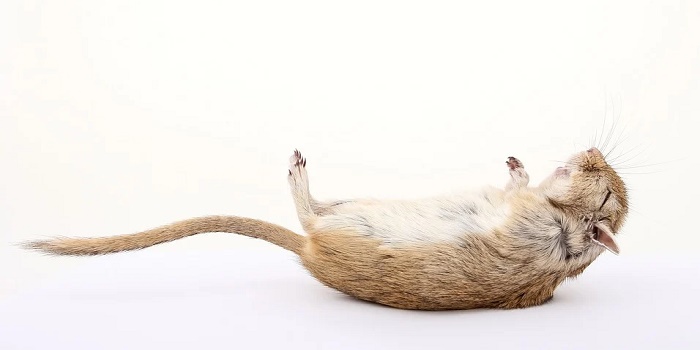
Finding an uninvited guest in your home is usually a drag, but it’s a whole different level of “unpleasant” when that guest is no longer breathing—and is currently informing you of its presence via a smell that a scented candle simply cannot fix.
Whether it’s a mouse that met its end behind the drywall or a squirrel that took a wrong turn in the attic, discovering a carcass is one of those “adulting” moments they never warn you about.
It’s a messy, pungent, and slightly macabre puzzle that requires a strong stomach and a solid game plan.
Don’t worry; we’re going to get your house smelling like a home again (and not like a CSI crime scene).
Where to Find a Dead Animal Inside a House?
Finding a dead animal in your home is a race against time and a test of your olfactory limits.
While the smell is your best (and worst) guide, a systematic approach is necessary to avoid cutting unnecessary holes in your drywall.
1. Narrowing the Search Area
The “sniff test” is more scientific than it sounds. Air currents move odors away from their source, so don’t be fooled by where you first smell it.
- Follow the “Sniff Gradient”: Walk through each room and rate the smell on a scale of 1 to 10. Once you find the “10,” you’ve found the general zone.
- Check Vents and Registers: If the smell is consistent throughout the house, the carcass may be in the HVAC ductwork.
- Look for Bio-indicators: If you see an unusual concentration of flies (specifically “blow flies”) or maggots near a baseboard or ceiling light fixture, the carcass is likely directly behind or above that spot.
2. Investigating Accessible Spaces
Before you assume it’s “behind the wall,” exhaust every possibility in the open areas of your home.
Under the House (Crawl Spaces)
- The Flashlight Sweep: Look for disturbed insulation, mounds of dirt, or “drag marks.”
- Check the Vapor Barrier: Animals often crawl under the plastic moisture barrier to die. If you see a suspicious lump under the plastic, you’ve likely found your culprit.
The Attic and Roofline
- Insulation Checks: Animals like to burrow. Look for areas where the insulation is matted down or appears to have a tunnel.
- Eaves and Soffits: Check the narrowest corners of the attic where the roof meets the walls; small rodents often retreat to these tight spaces when they feel weak.
3. Locating an Animal Inside a Wall
This is the most challenging scenario. Since you can’t see through the wall, you have to use your senses and a bit of tech.
- The “Pinpoint” Sniff: Literally put your nose against the drywall. Move in 6-inch increments. The odor will shift from “bad” to “overwhelming” when you are directly over the carcass.
- Check for Heat: If the animal has died recently, a thermal camera (which can sometimes be rented or used via smartphone attachments) might pick up the heat signature of the decomposing body.
- Tap and Listen: Tap on the wall. A hollow sound is normal, but a “thud” or a muffled resonance might indicate a carcass lodged against the back of the drywall.
4. Scouring the Basement and Foundation
Basements are prime real estate for rodents and wildlife because they offer dark, quiet hiding spots. If the smell is emanating from the lowest level, focus your search on these specific areas:
- Check the Rim Joist and Sill Plate: This is where the wooden frame of your house meets the concrete foundation. Small gaps here are common entry points. Look for a carcass lodged in the fiberglass insulation tucked into these “pockets.”
- Inspect Sump Pump Pits: Animals seeking water often fall into sump pump basins and drown. Check the water and the area immediately surrounding the pump.
- Look Behind Appliances: Check behind the furnace, water heater, or any stored boxes. Animals crawl behind these for warmth or protection as they grow weak.
- Drop Ceilings: If your basement is finished with a drop ceiling (removable tiles), the carcass is likely resting on top of a tile. Use a ladder to carefully lift and peek over each tile—if you see staining on the tile, you’ve found it.
- The Laundry Area: Check behind or even under the washing machine and dryer. The warmth of the dryer vent is a major attractant for nesting animals.
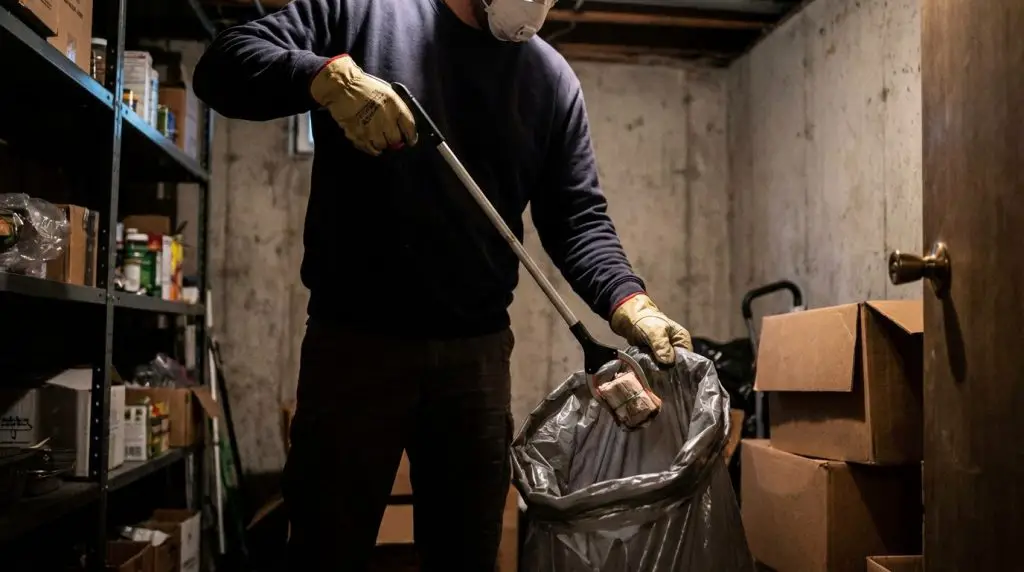
5 Different Ways for Dead Animal Carcas Removal
Handling animal carcasses requires a blend of caution and specific logistical steps to ensure your property remains safe and sanitary.
Whether you’ve discovered a dead squirrel in the yard or suspect something larger is hidden within your foundation, knowing your options is the first step toward a clean environment.
Here are five methods for the removal and disposal of a carcass.
1. Professional Wildlife Removal
Calling in a wildlife removal expert is arguably the best option for handling deceased animals, especially if the location is hard to reach.
Professionals have the experience to remove dead animals from tricky spots like a chimney, crawlspace, or attic.
They also possess the specialized tools to reach carcasses trapped behind walls without causing unnecessary structural damage.
Beyond just the extraction, these experts can bring in specialized teams to remove obstructions to the carcass.
They handle the biohazard cleanup, ensuring that any lingering pathogens are neutralized.
This is particularly helpful in an empty house where a smell might have lingered for weeks, requiring professional-grade deodorizers and sanitizers to make the space habitable again.
2. Deep Burial
Burial is the oldest method to get rid of a carcass and is relatively simple if you have the space.
To do this safely, you should double-bag the animal to ensure minimal contact with the soil during the initial decomposition phase.
It is vital to choose a site away from underground water sources or flood zones to prevent contamination of the local water supply.
Avoid areas with high sand content, as this can lead to faster leaching or even the shifting of the remains.
If you are dealing with a carcass in the winter, be aware that frozen ground can make this method nearly impossible.
Ensure the hole is deep enough (typically at least 3 feet) to prevent scavengers from digging it up and creating a dangerous situation for your own pets.
3. Natural Composting
Composting is a natural and inexpensive disposal method often used for larger animals on farms or ranches.
This process turns the carcass into organic matter that can eventually serve as fertilizer for the soil.
Because it requires a specific balance of “brown” and “green” organic materials to generate the heat necessary for decomposition, it is a science that requires careful monitoring.
However, composting is generally not practical for those living in the suburbs or the city due to space constraints and potential odors.
If the process isn’t managed correctly, it can attract pests or fail to reach the temperatures needed to kill off bacteria.
For those on large properties, it remains an eco-friendly way to recycle nutrients back into the earth.
4. Controlled Incineration
Incineration offers the distinct advantage of total destruction; the carcass is reduced to ash, effectively killing all germs, bacteria, and viruses.
This method is highly sanitary and is often the preferred choice for diseased animals. Once the process is complete, the remaining sterile ash is typically sent to a landfill for final disposal.
While efficient, incineration services can be expensive and may not be available in every municipality.
It is important to distinguish this from cremation; while the thermal process is similar, cremation is a memorial service reserved for beloved pets, whereas incineration is a strictly industrial waste-management solution.
Check your local fire codes before attempting any form of burning on your own.
5. Industrial Rendering
Rendering is a centuries-old recycling process that converts animal tissues into value-added materials, such as high-protein meals or fats used in industrial applications.
The rendering process may be “wet” or “dry,” involving the application of heat to separate fats from bone and muscle.
This effectively decontaminates the material, turning a waste product into a usable resource for farms and ranches.
If there is a rendering plant in your community, they may accept carcasses as part of their standard operations, sometimes at little to no cost to you.
This is a highly sustainable option, though it does require you to transport the bagged animal to the facility yourself.
It’s an effective way to ensure the animal is processed in a facility designed specifically for biohazardous waste.
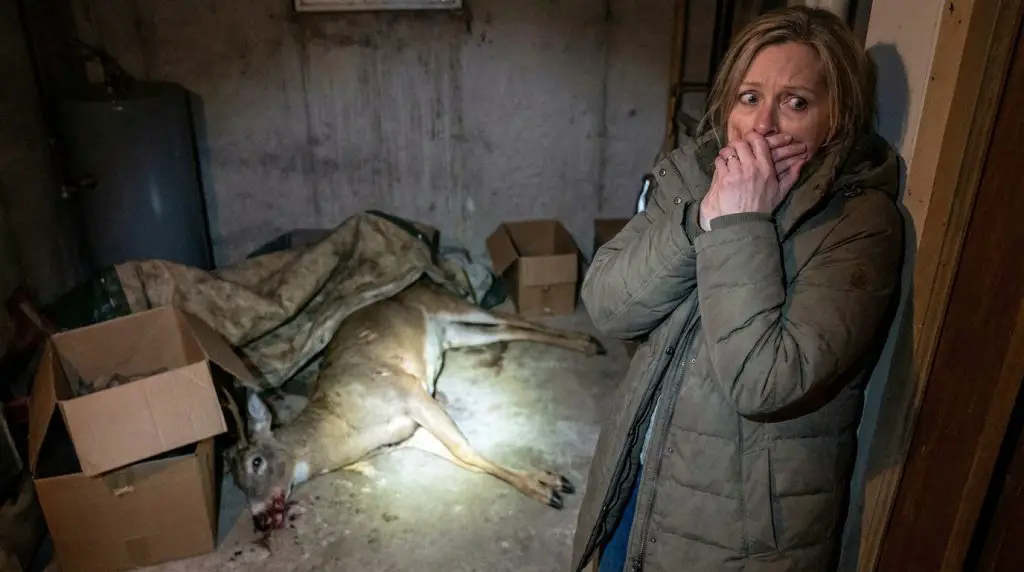
Why is Carcas of a Dead Animal in the House Dangerous?
Finding a dead squirrel or other animal inside your home is more than just a localized nuisance; it is a legitimate health and safety concern.
Whether the animal is tucked away in the foundation, trapped in a chimney, or decomposing in the walls of an empty house, the risks multiply the longer the carcass remains.
Here is why leaving animal carcasses in your living space is dangerous:
1. Pathogens and Disease Transmission
Dead animals are breeding grounds for bacteria, viruses, and fungi. As the body decomposes, it releases microorganisms that can become airborne or spread through direct contact.
Diseases such as Hantavirus, Leptospirosis, and Salmonellosis are commonly associated with rodents and wildlife.
If the carcass is near air ducts, these pathogens can be circulated throughout the entire house, posing a respiratory risk to everyone inside.
2. Parasite Migration
When a host animal dies, the parasites living on it—such as fleas, ticks, lice, and mites—immediately begin looking for a new, warm-blooded host.
This often means they migrate away from the carcass and into your carpets, furniture, and bedrooms.
These parasites can carry their own set of diseases (like Lyme disease or Bubonic plague) and can lead to an infestation that is much harder to get rid of than the original carcass.
3. Attraction of Scavengers and Pests
The scent of decay is a dinner bell for other pests. A carcass will quickly attract:
- Flies and Maggots: Resulting in a secondary infestation within days.
- Beetles and Cockroaches: Which feed on decaying organic matter.
- Larger Predators: Rats, raccoons, or even stray dogs may be drawn to the scent, potentially clawing at your walls or floorboards to reach the source, causing structural damage.
The decomposition process also releases gases like methane and hydrogen sulfide.
In a confined space, these odors are incredibly pungent and can saturate porous materials like drywall, insulation, and wood.
If you don’t remove dead wildlife quickly, the “death smell” can linger for months, even after the body has been removed, often requiring expensive professional remediation to fully neutralize.
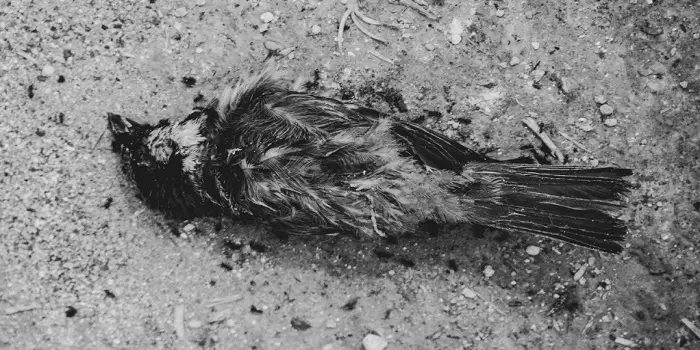
Can I Dispose of a Animal Carcass in the Wall with a Solution?
Finding a dead, bloody animal carcass in your wall or chimney is a nightmare scenario, but I have to be the bearer of some direct, honest news: no “solution” or chemical will safely dissolve a carcass inside a structure.
While it’s tempting to pour something down the wall to make the problem vanish, doing so usually makes a bad situation much worse.
Here is why you should avoid the “chemical fix” and what you should actually do.
The Danger of Chemical Solutions
Using harsh chemicals to treat dead animals carcase remains (like lye, bleach, or acid) while they are still lodged in your home is incredibly risky for several reasons:
- Toxic Fumes: Chemicals reacting with decomposing flesh can create hazardous gases that vent directly into your living space.
- Structural Damage: Corrosive liquids can eat through drywall, mortar, and wooden studs, leading to expensive repairs.
- The “Soup” Problem: Instead of disappearing, the carcass often turns into a caustic, liquified mess that seeps into your floorboards or insulation, making the odor permanent.
The Proper Animal Removal Strategy
If you want the smell and the health risks gone, there are only two real paths:
- For the chimney, use a chimney brush or a heavy-duty vacuum if the animal is reachable. If it’s behind the damper, you may need a professional sweep.
- For walls, you’ll likely need to pinpoint the smell, cut a small hole in the drywall, remove the carcass, and disinfect the area with an enzymatic cleaner.
If extraction is truly impossible without tearing down the house, your only option is to “wait it out” using high-grade odor adsorbents (like activated charcoal or mineral bags) and sealing any cracks to prevent flies from entering.
A quick heads-up: Decomposing animals can carry parasites and bacteria. If you decide to go in after it, please wear a mask and heavy gloves.
Prevention Tips to Avoid Animal Death and Carcases Inside Your Home
Preventive measures to avoid animal death are far better than finding and removing the carcass later.
So, when you have already removed the dead animal and have sterilized your area well, it’s important to know about some of these ideas…
The very first step starts with inspecting your home for any points of entry (such as small holes, cracks, damaged siding, etc.) that can potentially help the small rodents enter your house.
- You should typically focus on the areas and openings from where the pipes and cables enter your home.
- Check for the rotted wood in your attics and crawl spaces from where animals can enter easily by enlarging the holes.
- Also, make a routine to check the foundation of the building, roofs, gutters, and fascia at least once in eight to twelve months.
- Take time to properly install the vent covers and screens that will discourage the critters from entering your property.
Fireplaces with chimneys can also be a way to enter your property for the wildlife.
Especially pests like bats, squirrels, raccoons, and many others can crawl down the chimneys very easily if they find them in non-working conditions.
In order to prevent these animals, you should install animal-proof chimney caps.
Remember, you should not use screen material in place of professional-grade chimney caps. These can easily clog with soot or debris and cause a severe fire.
Related FAQs
How to remove a dead animal from a car?
To remove a dead animal from your car, start by wearing heavy-duty gloves and a face mask to protect against pathogens and intense odors.
Check common hiding spots like the cabin air filter, engine bay, or wheel wells. Use a shovel or gloved hands to place the carcass in a double-sealed plastic bag for disposal.
Afterward, scrub the area thoroughly with an enzymatic cleaner to break down organic proteins. If the stench lingers, an ozone generator or charcoal bags can help neutralize the air.
What to do if a coyote left a dead carcass in my driveway?
If a coyote leaves prey behind, do not handle it with your bare hands; use a shovel or thick gloves.
You can typically double-bag the carcass and place it in your regular trash, but check local ordinances first, as some municipalities require a call to Animal Control.
Afterward, hose down the driveway with a bleach solution (1 part bleach to 9 parts water) to eliminate scents that might attract other scavengers or pests to your property.
Where can we put the carcasses of dead insects in the house?
For small numbers of household insects like flies or spiders, the easiest solution is to vacuum them up or wipe them away with a damp paper towel and toss them in the kitchen trash.
If you prefer an eco-friendly route, you can drop them into a compost bin or even indoor potted plants, where they will eventually decompose and provide nutrients.
For larger “crunchy” pests like cicadas or beetles, sealing them in a small bag prevents lingering odors.
The Conclusion
Dealing with a dead animal in your home is never a pleasant task, but addressing it quickly is essential for your health and comfort.
Beyond the immediate physical removal, the primary challenges are sanitization and prevention. Decomposing organic matter can harbor bacteria, parasites, and lingering pathogens, so never skip the deep-cleaning phase.
Using an enzymatic cleaner is the gold standard here, as it “eats” the proteins that cause persistent odors, rather than just masking them with perfumes.
Once the area is sterile, switch your focus to the “how” and “why.” Most animals enter through small gaps in siding, uncapped chimneys, or damaged vent screens.
Taking the time to seal entry points with steel wool or hardware cloth is the only way to ensure you aren’t repeating this process next month.
While DIY removal works for small pests, don’t hesitate to call professionals for larger animals trapped in wall voids or crawlspaces.
Share the post "Dead Animal Carcass in Your Home – How to Remove?"


Many times people ask me whether they can do pest control in the winter. Also, if it is really important, Read more
If you think pest control is just about spraying chemicals and calling it a day, think again. Modern pest control Read more
When it comes to controlling the pests in your garden or in a field, there are two options you can Read more
Let’s be honest: nobody wakes up on a Tuesday morning thrilled at the prospect of hiring an exterminator. Usually, you’re Read more

Welcome to ProShieldPest.com. I am Tina Jones. I have been working as a pest removal professional in Winslow, Arizona lately. At present, I love to spend my time with my family as a retiree.
Here I share all my knowledge and experiences to help people understand better how they can stop pests at their homes without actually killing them. Hopefully, the information you will find here will help in safeguarding your home! You can check more about me here.